Cloud Technology in Healthcare: What You Need to Know
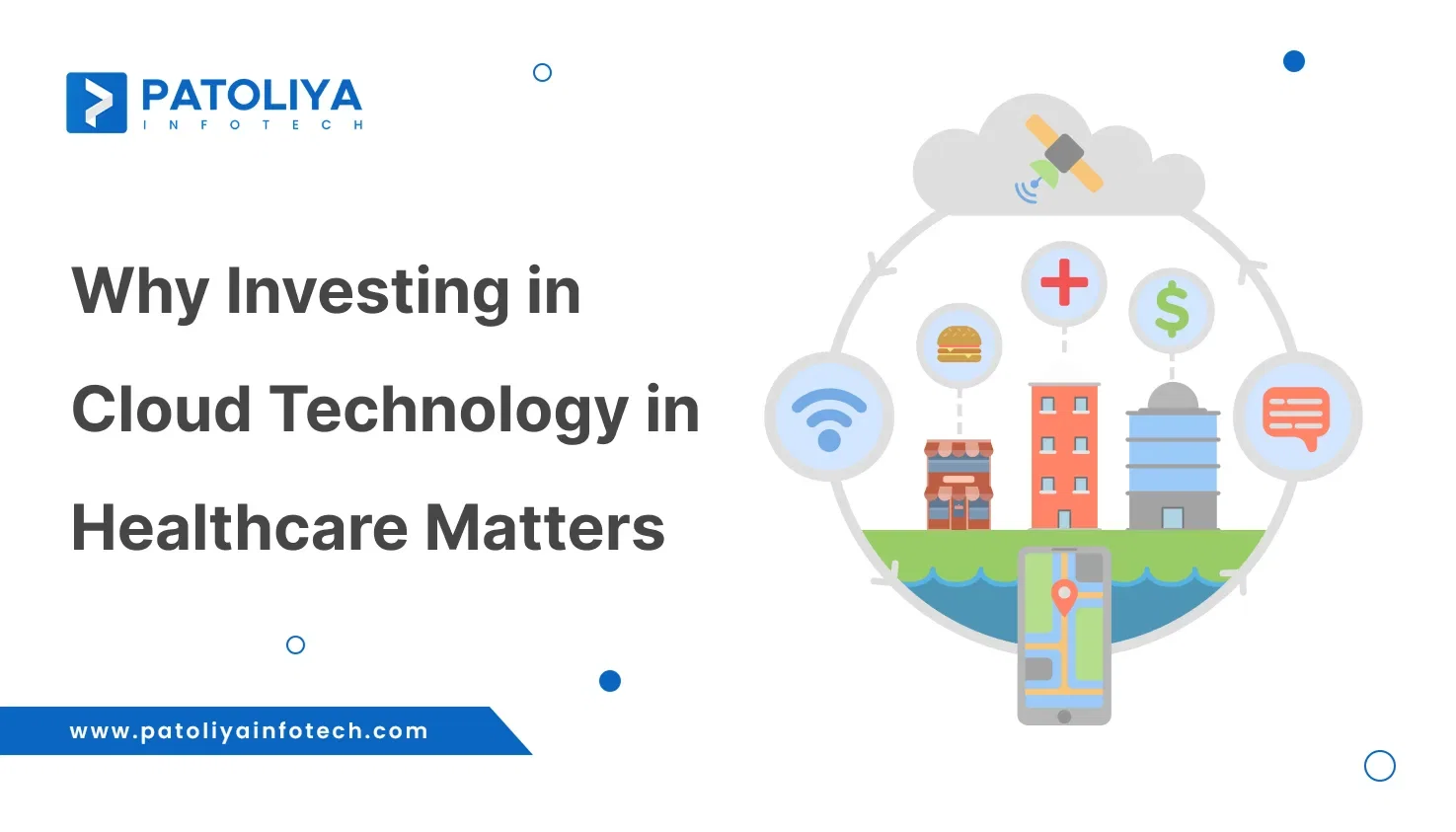
Cloud technology in healthcare is one form of renting software from another organization. Cloud technology stores all data and systems in the same way that clouds in the sky hold water droplets.
Let’s imagine a rural hospital cannot afford to develop all of the software. Additionally, there is a lot of maintenance. As patient data grows, more money must be spent on software to scale the current program, which is a complicated process. Cloud computing functions as your Netflix premium in this situation.
To obtain software services, hospitals must pay a subscription fee. Every software element on the cloud YouTube is virtual in nature. Third parties supply this cloud, or you can create one that meets your requirements.
As your data grows, cloud storage automatically expands. AI and other modern technologies in the cloud enable analytics, forecasting, and decision-making. It has a high level of cloud security for safe data transfer and storage.
What is Cloud Technology in Healthcare?
Cloud technology helps the management, storage, and access of medical data and other applications. Cloud technology functions as your software on the internet. You don’t need physical software for performing healthcare work.
Let’s examine the pandemic situation to gain a better understanding. As the number of COVID patients rises during a pandemic, so does their data. It becomes difficult for doctors to monitor each patient’s vital signs. Scaling record systems and other technologies is necessary for data management.
This becomes a problem for large hospitals, and cloud technology quickly gains popularity. Cloud computing automatically grows with data. Errors and software maintenance are not necessary on the cloud. Doctors can easily monitor vital signs remotely and online.
They can safely exchange data, which boosts operational effectiveness. This is how easy it is to oversee every online system.
A Short History of Cloud Technology in Healthcare
The use of cloud computing in healthcare began in the 2000s with electronic health records (EHRs). The cloud is reducing the system’s limitations in terms of data security and scalability.
Since all software has to comply with national security standards, it becomes challenging for the healthcare industry to maintain those laws. Software maintenance and system integration can have an impact on security.
Investing in the cloud becomes simple since it offers security, scalability, and compliance. Adoption of cloud computing becomes crucial during pandemics due to the need for data-driven decision-making and distant treatment.
Why Cloud Technology In Healthcare Matters
- Because it is provided by third parties through membership fees, this lowers infrastructure costs.
- Cloud platforms enable enterprises to instantly scale storage and computing resource requirements.
- All systems are centralized in the cloud, making departmental cooperation simple.
- Data transfer and storage are made safe with cloud security.
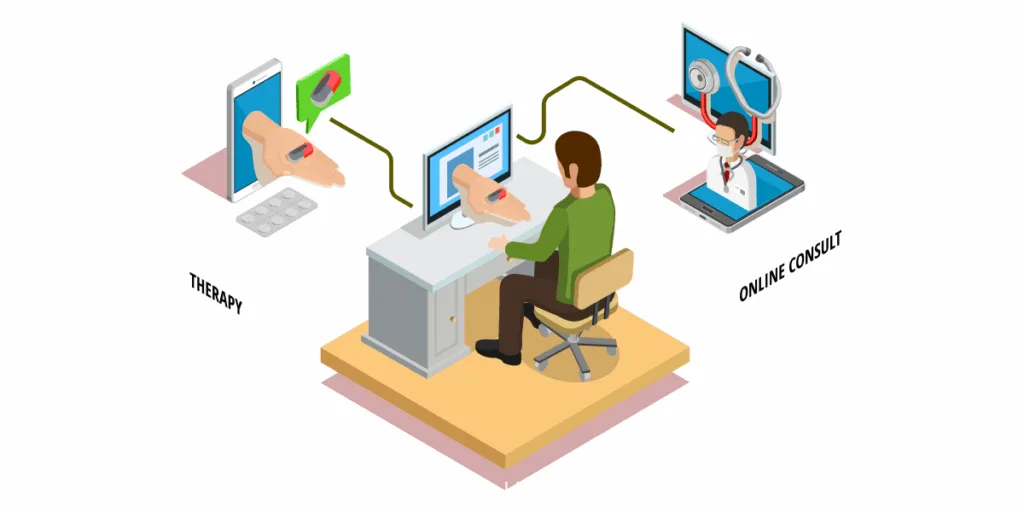
- Remote monitoring, secure chat between patients and physicians, and live video consultations are all made possible by cloud technology.
- The cloud offers the massive, immediate computing resources required to execute advanced machine learning (ML) and artificial intelligence (AI) models.
Cloud Security Layers in Healthcare
Security is the top priority in healthcare cloud solutions. Cloud providers implement multiple layers of protection, such as:
Data encryption
Encryption is the initial layer of cloud technology. Cloud technology in healthcare generates unreadable code from the data exchanged between systems. Only authorized systems with decryption keys have access to it. If hackers steal this data, it turns out to be useless.
Encryptions also assist healthcare firms in meeting regulatory standards like HIPAA and GDPR.
Multi-factor authentication(MFA)
Only one password is simple to hack. That is when multiple passwords become necessary. In multi-factor authentication (MFA), you must enter a password into the system and then verify the OTP or any other code on your mobile device.
This increases cloud security while decreasing the rate of unauthorized access.
Role-based access controls
Role-based access controls are used in cloud computing solutions to restrict record permissions to only a restricted number of users. This means that nurses can only examine patient records; comprehensive operation process records can only be accessed by doctors.
They only have access to the information they need to work. This reduces data misuse while also providing cloud security and work related accountability.
Regular audits and compliance checks
Cloud technology in healthcare has to comply with rules and regulations. This can be HIPAA, HITECH, gdpr, or any country-specific regulations. This ensures that your cloud computing meets global standards for data protection.
For this, regular audits and inspections are required. This prevents security gaps.
Disaster recovery and backup systems
Every cloud technology in healthcare has a strong disaster recovery mechanism. Cloud systems and storage automatically back up data. This cloud storage occurs in numerous locations.
When a system fails, this data can be securely stored and automatically backed up. Hackers cannot even access data when it is stored in multiple locations.
These ensure patient data confidentiality and system reliability.

Types of Cloud Technology in Healthcare
Different sectors require different types of resources. To address this need, a different type of cloud is required. This need can include organizational structures and goals.
Public Cloud –
The public cloud is provided by third parties who offer shared infrastructure. This infrastructure has all of the functionality, so companies do not need to build their own. This is ideal for new companies or short-term projects when you want to scale but do not want to maintain expensive servers.
This is a low-cost solution with automatic updates. This cloud computing platform supports healthcare analytics and other healthcare systems, such as EHR.
Private Cloud –
Organizations create their own infrastructure, which is a private cloud. This is managed by the company’s internal departments. This allows enterprises to have complete control over data and security standards. Private clouds offer high levels of data privacy and cloud security for patient databases, medical image storage, and pharmacy management systems.
This is ideal for large hospitals and healthcare sectors that require strict compliance and security standards.
Hybrid Cloud –
A hybrid cloud combines public and private cloud features. This means that administrative or public related activity is completed via the public cloud. Patient and diagnosis related work completed via private cloud. The hybrid cloud of cloud computing is perfect for enterprises wanting flexibility and scalability.
Cloud technology in healthcare enables the integration of legacy systems with artificial intelligence (AI) or modern technologies with strong cloud security.
Community Cloud –
Many companies find the community cloud valuable. This is a collaborative cloud infrastructure for organizations that have similar compliance requirements.
This ensures that all members are following the same cloud security and regulatory procedures. As with any cloud technology in healthcare, this is also cost effective. This is perfect for collaboration and support among healthcare alliances or any research organization.
The right type of cloud computing depends on the structure you have and the level of data protection you want.
Importance of Cloud Technology in Healthcare
Enhance patient care through real-time data sharing
Professionals obtain confidential data from cloud computing in a secure manner. This improves data sharing and enhances decision-making. This improves collaboration and personalized patient care.
Improve collaboration between providers
Cloud technology integrates all divisions of healthcare. This allows professionals to interact more easily and removes communication barriers.
Scale IT infrastructure easily
Scaling existing infrastructure is expensive and complicated. The development and maintenance of personalized software is costly for the healthcare industry.
Cloud technology in healthcare allows you to expand storage and applications without investing in new hardware. This is cost-effective and increases operating efficiency when demand is strong.
Support innovation in AI, big data, and other technologies
Cloud computing easily integrates with modern technologies such as AI, big data, and any system. It has strong cloud security and automates backups. This ensures that all data is protected.
This technology provides predictive analytics, disease identification, and improved patient care.
Key Applications and Functions of Cloud Technology
| Applications | Meaning | Benefits | Real-Life Example |
| Electronic Health Records (EHRs) | This secures and centralizes patient data records on the cloud. Doctors can obtain access whenever they wish. | This improves care coordination and provides quick data availability. Improves cloud security through encrypted cloud storage. | In an emergency, doctors can instantly get a patient’s medical record via cloud storage. |
| Telemedicine Platforms | Virtual consultation systems connect doctors and patients via remote communication. These systems include cloud computing features. | This ensures 24 hour patient care and reduces hospital visits. This also enables remote diagnosis with secure data sharing. | Many companies are utilizing cloud technology in healthcare to give video consultations and prescriptions via phone. |
| Medical Imaging & Diagnostics | This has cloud storage, which allows you to store and share image data. These files could be CT, MRI, or X-rays. | This minimizes storage costs and allows for faster diagnosis while maintaining data security. Cloud technology in healthcare enables remote specialist reviews. | Radiologists use the Cloud Healthcare API to analyze scans. This makes it easier to cooperate with specialists around the globe. |
| Healthcare Analytics & AI Models | This data-driven technology includes cloud-based capabilities for risk prediction and personalized treatment. | This promotes predictive healthcare and operational efficiency. Additionally, big data insights lead to better patient outcomes. | Hospitals utilize AWS to analyze patient data. AI enables the detection of early illness trends. |
| Remote Patient Monitoring (RPM) | Technical gadgets connected to cloud platforms continuously monitor patients’ vital signs. | This allows clinicians to monitor patients from any location. This promotes proactive care and reduces visits to the hospital. Like any danger signs are overcome early as the device notifies early. | Wearable devices such as watches and remote glucose monitors provide continuous data to clinicians via cloud computing. In practicality, blood pressure and glucose can be managed by patients, and they can actively take part in their health journey. |
| Pharmaceutical Research & Clinical Trials | Uses cloud technology in healthcare to safely store and examine large amounts of research data. | This decreases data loss through cloud security procedures. Also, speeds up research and enhances scientific collaboration. | Companies securely analyze millions of clinical trial data points across research teams globally using the cloud. |
Benefits and Challenges of Cloud Technology in Healthcare
Benefits
Reduced IT costs
Cloud technology in healthcare lowers development and maintenance costs. There is no need to manage hardware or invest in a new system throughout the integration process. When organizations grow, there is no need to scale software with cloud storage. This subscription-based cloud computing model delivers safe and scalable digital infrastructure.
Faster data access
Cloud computing enables professionals to securely access any data, such as medical records, diagnostics, or photographs. This data transfer is also safer because it utilizes cloud security. This improves coordination and shortens diagnosis delays.
Better patient outcomes
Cloud technology incorporates data from lab systems, wearable devices, and electronic health records (EHRs). Cloud technology employs AI to detect dangers. This helps to avoid them at an early stage. Cloud technology in healthcare delivers secure and effective patient results through its features.
Improved collaboration
Cloud technology connects all departments and specialists. This breaks down communication obstacles. This collaboration is beneficial for a variety of therapies, medical research, and telemedicine. Data can be securely shared using cloud security and role-based access. This promotes collaboration while respecting privacy.
Scalability and disaster recovery
Cloud technology is growing along with data. To scale up, cloud computing does not require more infrastructure. Cloud storage automates recovery with minimal disturbance from cyber attacks and outages.
Challenges
Data privacy concerns
Incidents related to cybersecurity and data breaches may have legal consequences.
For this reason, access control, compliance audits, and cloud security encryption need to be combined. This is crucial for all cloud implementation layers.
Compliance complexities
Healthcare organizations are subject to severe data privacy rules. Maintaining compliance across many cloud platforms in different regions can be tricky. This compliance can include HIPAA, GDPR, HITECH, and other national standards.
collaboration with recognized cloud computing firms that focus on healthcare compliance. This keeps the public’s confidence and avoids expensive fines.
Internet dependency
Cloud storage requires connectivity. Data access delays may result from network failures. Along with operational problems. This happens in remote and rural areas.
To address this, hybrid systems and offline access alternatives are required.
Integration with legacy systems
Many outdated healthcare systems are incompatible with modern cloud technology in healthcare. Migrating data from these systems to the cloud takes careful planning. This requires an experienced cloud partner.
How to Choose The Right Cloud Partner for Cloud Adoption
Phase 1: Assess & Strategize
- Begin establishing your goals. What do you expect from the cloud? Then, start auditing everything. After it starts categorizing all the data.
- Pay great attention to Protected Health Information (PHI). This sets the security and compliance requirements.
- Not all platforms require the same migration, so determine what type of system demands what kind of adaptations. After you have decided everything, choose a cloud vendor based on your regulatory and service needs.
Phase 2: Plan & Architect
- Make a detailed plan for your cloud environment. This includes access zones, storage structures, and network layouts designed to comply with healthcare regulations. After putting in place security measures. This may be
- Encrypt all of the data. This data may be in transit or at rest.
- Make use of RBAC (role-based access controls). This helps in limiting access to PHI. Give access to those who are authorized.
- Put together audit logs, notifications, and monitoring early.
- Get your team ready for cloud adoption by giving them the training they need based on the skills they need.
- Create a cloud-based backup and recovery plan.
Phase 3: Migrate & Validate
- For confidence, begin the migration with a small, basic system. Next, transfer the patient data while constantly confirming its security and integrity. Usually, this is the longest phase.
- Applications should be migrated while conducting thorough User Acceptance Testing (UAT). Before switching over, conduct performance testing in the cloud environment.
- You should have a clear strategy for returning to previous systems if any problems develop in the new cloud environment.
Phase 4: Operate & Go-Live
- Make the new cloud-based system accessible to both staff and patients.
- Continuous performance, pricing, and security monitoring is crucial. You should keep monitoring to find and fix issues within the first several weeks.
- Then, combine all operational systems using cloud technology if everything works well.
Phase 5: Optimize & Evolve
- You must look for strategic and innovative methods to leverage cloud technology. This allows you to maximize the ROI of your systems while also increasing operating speed.
- You must perform regular security and audit trails to ensure that everything is in compliance with regulations.
Cloud Adoption Journey for Healthcare
Assessment –
To implement cloud computing, healthcare organizations should first determine what they want from cloud technology in healthcare. This could include migrating medical data, identifying security gaps, or implementing security measures. What kind of infrastructure and compliance quality do they require from the cloud?
Planning –
Every firm needs a unique cloud solution based on their goals and the strategy they intend to implement using cloud technology in healthcare. They can select public, private, hybrid, or community clouds. You might choose cloud-based technologies for scalability and cost-effectiveness. You must establish long-term goals for which you wish to use cloud technology. What level of security and storage do you require.
After you’ve made your decision, choose the best cloud provider for your specific needs. Consider requirements for cloud storage, compliance, and support.
Migration –
In this phase, all medical records should be transferred using cloud security. This cloud security includes protocols such as encryption and identity access control.
Before going online, your application is evaluated for accuracy and performance.
Training –
A great utilization of cloud technology in healthcare requires people who know how to utilize it. Training in new workflows, privacy protocols, and collaborative technologies is critical for cloud computing ROI.
Optimization –
Following the implementation of cloud technology, continuous monitoring, analytics, and cloud security updates are required. As healthcare data grows, cloud storage scales easily.
The right cloud technology for you is compatible with your business structure and requirements.
Implementation and Considerations of Cloud Technology
Strong governance and leadership support
Successful adoption of cloud technology in healthcare starts with leaders who guide the vision. Responsible and effective leadership enhances efficiency, compliance, and patient care.
Collaboration among IT and clinical teams
When IT and clinical teams work together, cloud computing solutions become more patient-focused. Through their partnership, technology improves workflows. Continuous monitoring for compliance and security.
With continuing cloud security, important patient data is kept secure. This keeps hospitals compliant with regulations. This builds trust and security.
Partnering with trusted cloud providers specializing in healthcare
Choosing the right cloud partner is critical for integrating technology and scalability. The right development partner gives support at all stages and has the relevant expertise to deal with technological challenges.
How Cloud Providers Ensure Compliance
Patient trust is crucial in the medical field. Because of this, cloud providers take compliance and regulations very seriously. They rigorously adhere to nation-specific restrictions. Some of the regulations include the HITECH Act, GDPR, and HIPAA. They use encryption, secure servers, and thorough access records.
They frequently conduct third-party audits to secure data. This guarantees the security and compliance of cloud computing and cloud storage systems.
Myths vs. Facts About Cloud Technology in Healthcare
| Myth | Fact |
| Cloud is unsafe for patient data | Cloud computing for healthcare is very secure. Leading cloud providers adhere to strict healthcare compliance rules. This includes national legislation like GDPR, HITECH, and HIPAA. Several security methods have been used to keep data secure and private. This includes access controls, audit logs, and threat detection. |
| Cloud is expensive | Cloud technology lowers IT costs. Modern healthcare cloud solutions use flexible subscription pricing models. This enables hospitals and clinics to expand their infrastructure without incurring initial costs. This makes cloud computing in healthcare a cost-effective option than on-site servers. |
| Cloud migration is complicated | With professional assistance, moving to the cloud can be easy. Healthcare companies can move to cloud platforms without interfering with regular operations by planning, risk assessment, and systematic migration techniques. Cloud partners with an experience guarantee, easy integration with PACS, EHR, and other systems. |
| Cloud eliminates IT teams | The cloud enables IT staff to focus on innovation. IT workers can Use cloud technologies in healthcare to implement advanced analytics. Also, for AI-powered patient care and interoperability solutions. This increases both efficiency and patient outcomes. |
Future of Cloud Technology in Healthcare
AI and predictive analytics for early diagnosis
Cloud-based artificial intelligence (AI) systems can evaluate huge amounts of patient data. This allows for recognizing patterns and forecasting health risks. This enables early detection and treatment. This lowers long-term treatment expenditures while improving patient outcomes.
Personalized treatment using big data insights
Doctors can use cloud technology’s data insights to create individualized treatment strategies. This treatment plan will consider the patient’s genetics, medical history, and lifestyle. Patient happiness and results are enhanced by this.
Edge computing for real-time patient monitoring
In the medical field, edge computing enables data processing near the patient source. This enables continuous monitoring of vital signs via connected devices. This strategy improves patient safety from ICU monitoring to remote care.
Integration with tools and wearable devices
Wearable technologies and cloud computing make it easier to provide preventive care and continuous health monitoring. Smartwatches and related medical gadgets can be useful in this situation. This ensures secure internet storage and real-time data processing. This gives clinicians actionable insights from distant sites.
Considerations and Risks
Risks of vendor dependence
To avoid being dependent on one supplier, healthcare institutions need to choose their cloud providers carefully. Flexible service agreements and cloud interoperability are crucial. This guarantees that the company can easily integrate various platforms and change providers.
Downtime or connectivity issues
Cloud services depend on dependable internet and server uptime. Even brief disruptions may have an effect on critical systems. These consist of electronic health records, telemedicine services, and patient monitoring systems. By implementing redundant systems, backup methods, and service-level agreements (SLAs), this risk can be decreased.
Ongoing compliance monitoring
Continuous monitoring is necessary to maintain regulatory compliance. Cloud security policies, access restrictions, and audit trails must be implemented by healthcare businesses. These are regularly enforced to protect private patient information.
Data migration challenges
It is difficult to move old systems and patient records to the cloud. Secure migration techniques, testing, and careful preparation are essential. This reduces the chance of data damage, loss, or interruption. Working with experienced healthcare cloud specialists provides an easy switch.
A Comprehensive Strategy for Achievement
Innovation and strict governance are key components of a successful cloud strategy in the healthcare industry.
- Adopt cloud-based AI, predictive analytics, and system integration technologies.
- Put strong security and compliance measures in place.
- Maintain constant system performance and safety monitoring, assessment, and optimization.
The Reasons Behind the Healthcare Industry’s Use of Cloud Computing
- Cloud technologies can be used by healthcare organizations to adopt digital care models. This includes remote patient monitoring, virtual consultations, and telemedicine. Patients in underserved or rural areas can now receive care easily with cloud technology.
- Cloud computing facilitates data sharing between care teams, patients, and healthcare providers.
- The cloud offers flexibility and efficiency that conventional IT platforms cannot match. It is used to enable hybrid work environments, create new departments, or integrate new software.
- Healthcare businesses may discover disease patterns, forecast patient outcomes, and optimize resource allocation. This happens with utilizing cloud-based AI and predictive analytics.
- Large on-site servers and ongoing hardware maintenance are no longer necessary with cloud alternatives. This enhances operational cycles and lowers costs.
- Cloud technology enables businesses to gather, evaluate, and respond to current data in order to stay competitive. This improves decision-making and analytics.
Conclusion
There is more to cloud technology in healthcare than just cost savings. Compared to physical software, it offers the healthcare sector greater security and return on investment. Cloud security makes everything safe and cooperative. When combined with modern technologies, this provides predictive analytics that help with decision-making. It helps in early diagnosis and treatment.
It securely transfers and stores data. All of these advantages rely on a top cloud provider. Your cloud provider should offer scalable, high-quality cloud services. Additionally, it should follow legal and regulatory requirements. Regulation changes provide difficulties, and certain legacy systems may not be able to integrate with the modern cloud. With the cloud’s cost effectiveness, all of this can be overcome.
Cloud technology comes in various forms, and you can select one according to your needs. Additionally, you don’t need to make any additional technology expenditures to scale your cloud.
All of the digital technologies are included in a high-quality cloud. A great cloud provider understands how to make the most of the cloud for you. Support from vendors is crucial. For this, trust Patoliya Infotech. We give high-quality software services that perfectly fulfill your needs.