BioTech Bangkok: What It Takes to Turn Scientific Innovation Into a Business
 By Vijay PatoliyaUpdated on: 09/15/254 min read

In biotechnology, scientific innovation is only part of the business case. The harder question is whether a company can reproduce its results, meet target market requirements, and deliver a reliable product at a commercially viable cost.
That distinction matters to founders and executives deciding where to invest their next round of funding, which capabilities to develop internally, and when to move from research into commercialization.
Bio+ HealthTech INTERNATIONAL in Bangkok provided an industry context for considering how research, laboratory capabilities, and commercial operations connect. From a business and technology perspective, I see one challenge worth particular attention: building the operating capability that allows scientific progress to become a repeatable commercial offering.
When Technical Success Fails to Deliver Business Value
Biotech leaders can spend years advancing a discovery, validating a process, or developing a new product. Yet a promising result does not automatically establish manufacturing readiness, market demand, or a sustainable cost structure. Before committing more capital, leadership needs answers to three questions.
Can we reproduce the result? Processes must deliver consistent outcomes under defined conditions, with appropriate validation and quality controls.
Can we deliver it economically? Production yield, material costs, specialist staffing, equipment utilization, and quality failures can all affect commercial viability.
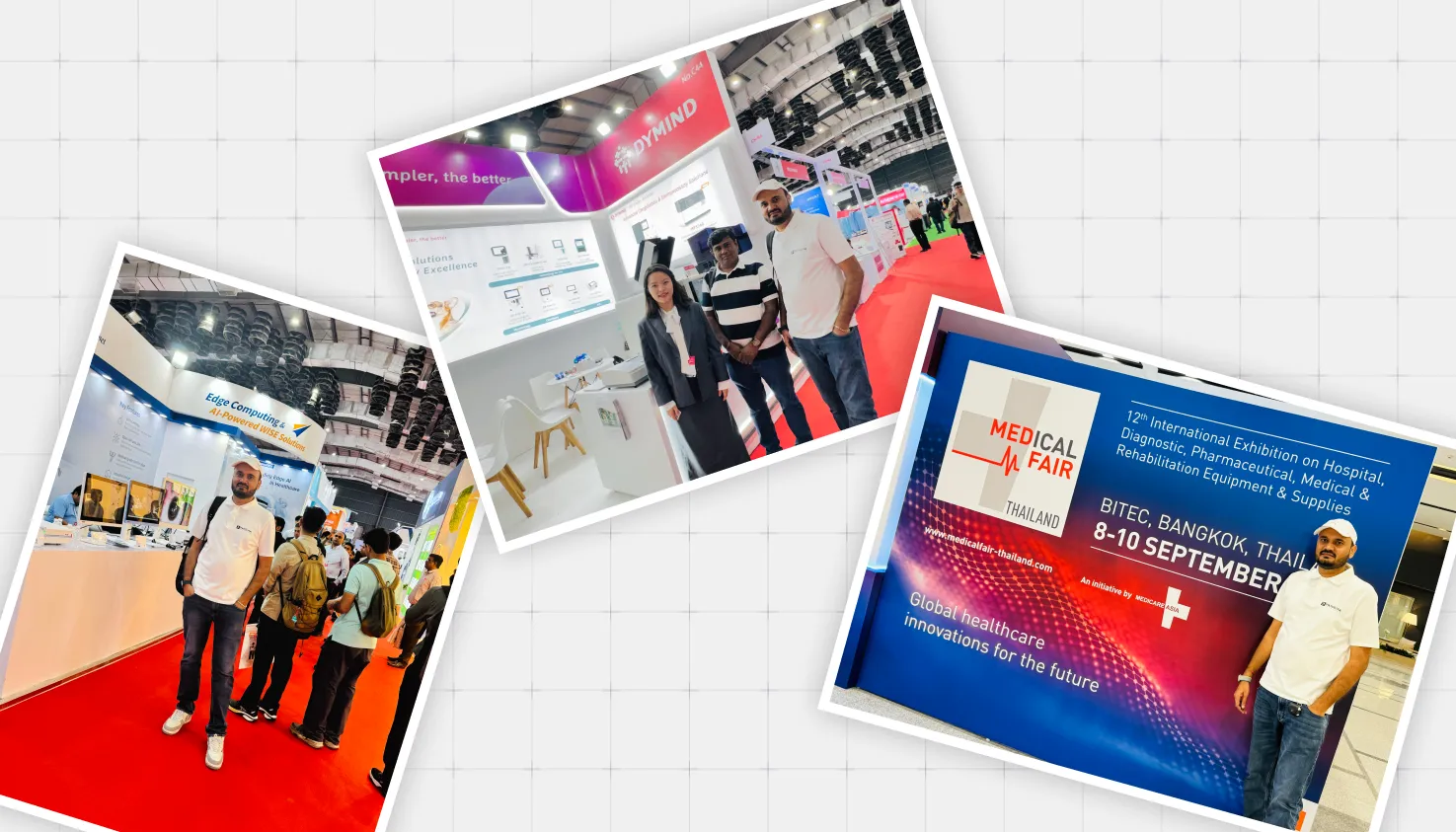
Will the market adopt it? Buyers need a clear reason to change their current approach, alongside confidence in reliability, support, and regulatory suitability.
These questions should shape investment decisions before commercialization becomes urgent. A technically successful project may still need significant operational work before it is ready for customers.
For a founder, recognizing that gap early is a way to allocate capital against the risks that could prevent the business from reaching its next milestone.
Managing Variability as Biotech Operations Expand
Discussions around BioTech Bangkok provide a useful context for considering how laboratory capabilities and commercial operations support biotech growth.
As production expands, a small research team can struggle to coordinate processes across facilities, teams, and quality-critical workflows. Inconsistent records, manual handovers, and limited batch visibility can make it difficult to trace deviations and assess their impact.
The priority is not to automate everything, but to distinguish scientifically meaningful variation from process weaknesses and documentation gaps. In regulated environments, improvements must preserve traceability, validation, and quality assurance.
For executives, the key question is whether existing processes can support the next stage of growth without compromising quality oversight. Addressing these gaps early can help prevent operational weaknesses from becoming barriers to commercialization.
Technology Decisions That Support Commercialization
Technology becomes commercially valuable when it helps answer a decision that currently takes too long, relies on incomplete information, or carries avoidable risk.
For a biotech manufacturer, that might mean connecting batch records with quality information so authorized teams can investigate deviations more efficiently. For a laboratory network, it could mean improving visibility into equipment utilization, sample throughput, or turnaround times. For a growing research business, it may involve establishing reliable data management before information becomes fragmented across teams and facilities.
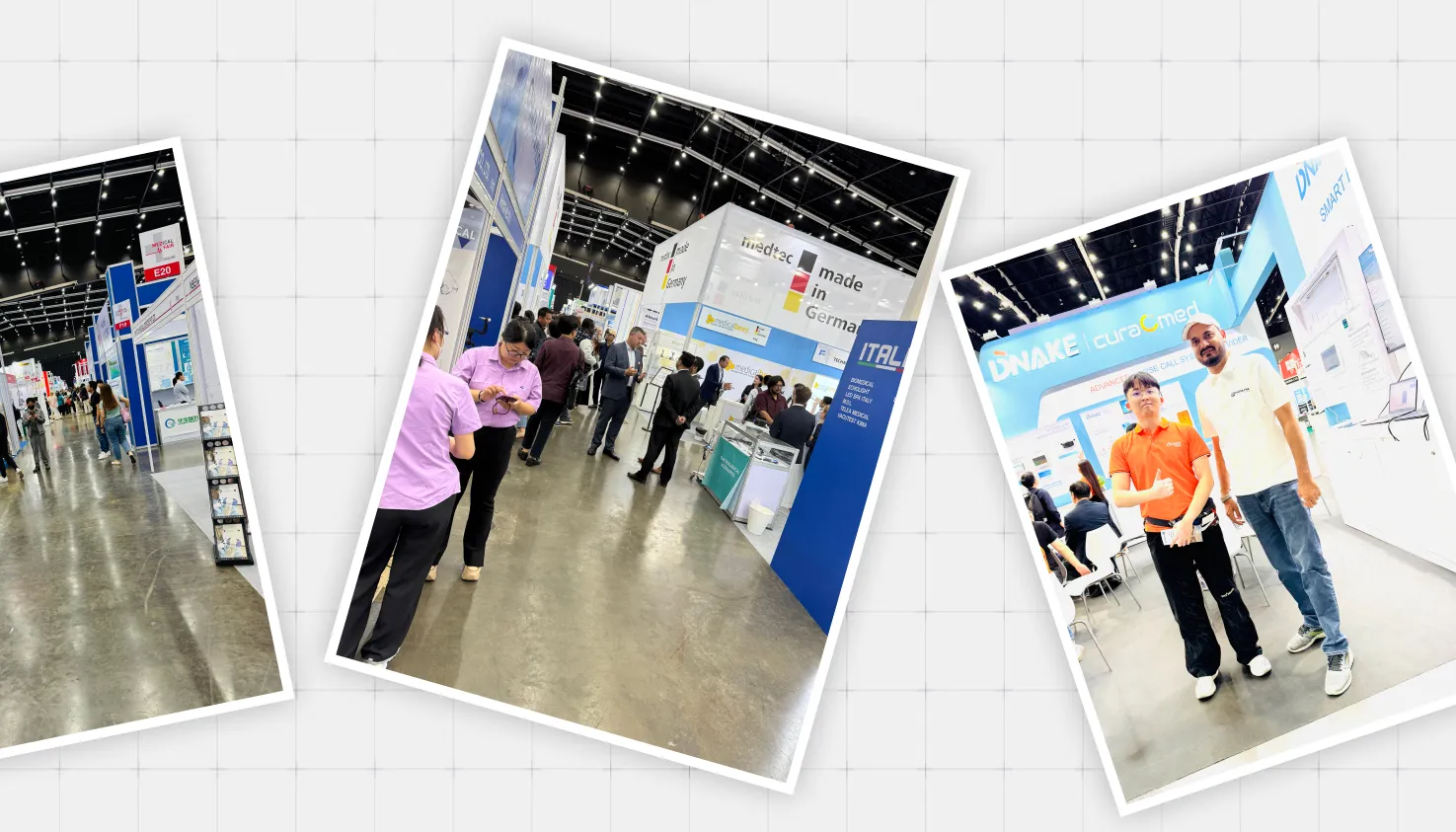
BioTech INTERNATIONAL in Bangkok highlight the role of reliable data in biotech advancement. AI can help identify patterns, but commercial decisions must remain grounded in data quality, scientific validation, and risk control.
At Patoliya Infotech, this is how we approach technology decisions: begin with the operational or commercial constraint, understand the existing process, and then determine whether software engineering, data integration, analytics, or AI is justified.
The measure of success is not the number of tools introduced. It is whether the change improves a defined business outcome without introducing unacceptable operational or compliance risks.
Choose Partners Around the Risks of Commercialization
At BioTech INTERNATIONAL in Bangkok, biotech innovation provides a useful lens for examining what businesses need beyond scientific progress. As companies move toward commercialization, technology partners may help address gaps in data management, system integration, and operational readiness.
For leadership, the decision should go beyond cost and technical expertise. The partner must understand the importance of reliable records, quality requirements, and continuity in regulated operations.
I believe a partnership should help a biotech company manage these risks and prepare for its next stage of growth, without creating new dependencies that limit its control.
When Scientific Innovation Becomes Commercial Value
During the Bio+ HealthTech INTERNATIONAL conference in Bangkok, the challenges facing biotech leaders have become apparent: translating advances in science into reliable, marketable achievements.
At Patoliya Infotech, our work in more than 165+ companies and over 427+ launched products has taught us one lesson: tech decisions are better made in the context of a well-defined business goal.
For biotech leaders, the next milestone might be demonstrating repeatable production, improving traceability, preparing operations for expansion, or reducing a specific bottleneck. Each requires a different response, and not every challenge calls for a new digital system. Scientific innovation creates the opportunity, but disciplined execution determines whether a business can capture its value.
As biotech companies plan their next stage of growth, the question is not only whether the science works. It is whether the organization can deliver the result consistently, meet the expectations of its market, and build a business around it.